


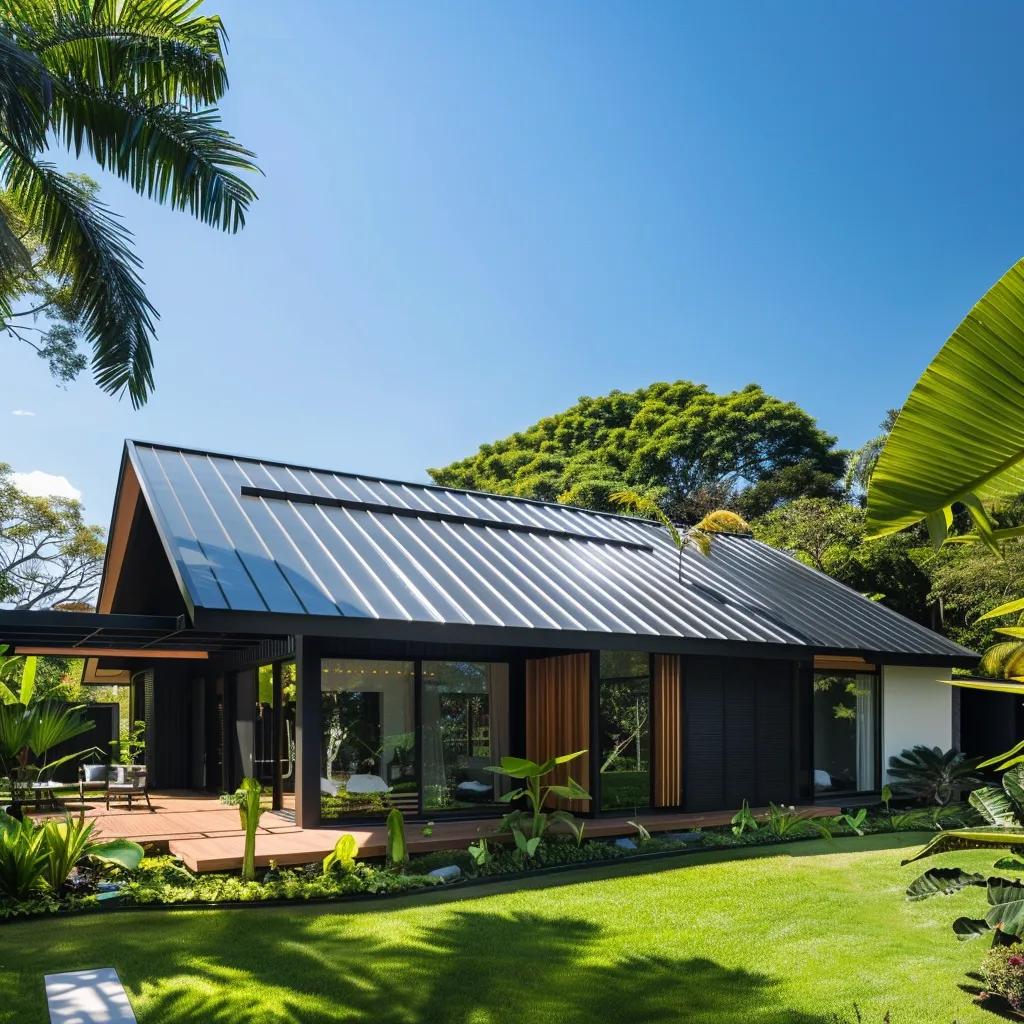
Metal roofing can last up to 70 years while cutting cooling bills by as much as 25%, making it a smart investment for homeowners seeking lasting durability and energy savings. Perfect Steel Solutions empowers owners with a clear roadmap through types of metal roofing, installation costs, key benefits, potential drawbacks, installation steps, maintenance best practices, and common homeowner questions. This guide covers:
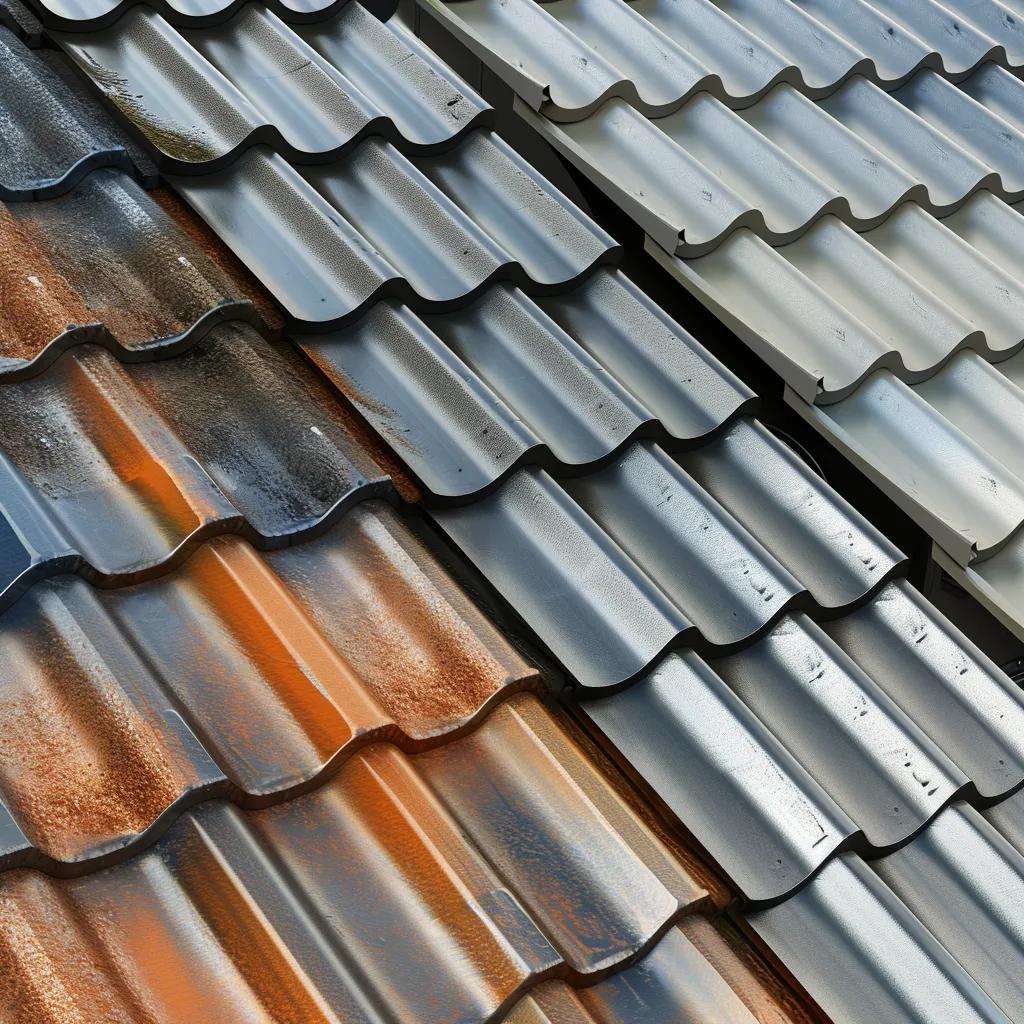
Metal roofing refers to panels or shingles made from metals like steel, aluminum, copper, and zinc, engineered to shed water and resist weathering. These systems interlock or overlap to form a continuous protective covering that enhances durability and curb appeal. Understanding roofing system types guides homeowners to the right choice for style, performance, and budget.
A standing seam metal roof features interlocking vertical panels joined by raised seams that conceal fasteners. This system prevents water infiltration by elevating joints above the panel surface, boosting weather resistance and reducing maintenance. Homeowners choose standing seam for its sleek modern look, strong wind uplift ratings, and hidden fasteners that minimize corrosion.
Corrugated metal roofing consists of wavy panels secured with exposed fasteners, offering cost-effective strength and rapid installation. Its ridged profile disperses impact forces and channels water efficiently. While less refined than standing seam, corrugated roofing provides an economical solution for barns, sheds, and budget-conscious residences seeking reliable weather protection.
Metal shingles and tiles mimic the look of slate, cedar shakes, or clay tiles but deliver superior impact resistance and fire rating. Each shingle piece locks together, forming a protective barrier that resists cracking and rot. This system combines classic aesthetics with the low maintenance and long lifespan that characterize metal roofing.
Before selecting a material, consider key attributes of each metal:
Each metal roof type balances cost, weight, corrosion resistance, and visual appeal, guiding homeowners to a match for their climate and style preferences.
Climate dictates material performance: aluminum excels in salt-air environments, steel with protective coatings suits heavy-snow regions, and copper or zinc thrives in variable weather due to self-healing patinas. Coastal areas benefit from aluminum’s rust resistance, while inland homes facing hail may prefer steel’s superior impact tolerance. Matching system type to regional conditions ensures peak longevity.
Metal roofing cost combines material price, labor, removal of old roofing, and underlayment. Understanding cost per square foot and factors affecting installation helps homeowners plan budgets and evaluate long-term value.
The average installed cost per square foot varies by material:
Several elements influence total cost:
Metal roofing typically costs two to three times more than asphalt shingles up front yet lasts two to three times longer. Over a 50-year span, metal roofing often proves more cost-effective when factoring in replacement cycles, energy savings, and reduced maintenance.
Metal roofing boosts home resale value by enhancing curb appeal and demonstrating durable construction. Energy savings from reflective coatings can reduce cooling expenses by 10–25%. With a lifespan of 40–70 years—compared to 12–25 years for shingles—metal roofing delivers strong return on investment through avoided replacements and utility savings.
While the initial cost of metal roofing may be higher than some other materials, the long-term return on investment can be substantial. This is due to the extended lifespan, reduced maintenance needs, and potential energy savings.
Homeowners can finance metal roofs through home equity loans, HVAC/pricing bundling, or specialized contractor financing programs. Perfect Steel Solutions offers flexible payment plans that spread costs over time, making metal roofing accessible for budget-conscious owners without sacrificing quality.
Metal roofing offers a combination of longevity, energy efficiency, style versatility, and environmental sustainability that few other materials match. These advantages provide immediate and long-term rewards to homeowners willing to invest in premium roofing solutions.
Metal roofs often last 40–70 years, outlasting asphalt shingles (12–25 years), wood shakes (20–40 years), and clay tiles (50–60 years). This extended lifespan stems from corrosion-resistant coatings, interlocking systems, and durable metal alloys that withstand extreme weather and UV exposure.
Metal roofs are known for their longevity, often lasting significantly longer than other roofing materials. This extended lifespan is due to the materials used and their resistance to weather and other environmental factors.
Metal roofing’s reflective surfaces bounce solar radiation away from the home, lowering attic temperatures and decreasing air-conditioning loads. Many metal roofs bear Energy Star and cool-roof certifications. By promoting reflective cooling, metal roofs can reduce annual energy bills by up to 25%, bolstering a home’s thermal performance.
Metal roofing can significantly reduce energy costs by reflecting solar radiation, which helps to lower attic temperatures and decrease the need for air conditioning. This reflective quality contributes to a home’s overall energy efficiency.
Metal roofing comes in a broad palette of colors, profiles, and finishes to suit modern, traditional, or rustic designs. From standing seam panels in bold hues to metal shingles replicating slate or wood shakes, homeowners gain countless combinations to enhance curb appeal and integrate with architectural styles.
Metal roofing is often made from 25–95% recycled content and is 100% recyclable at end of life, reducing landfill waste. Reflective coatings lower a home’s carbon footprint by decreasing energy consumption. These eco-friendly attributes align with green building standards and sustainable living goals.
Metal roofing systems interlock tightly and fasten securely, delivering wind ratings up to 140 mph. Impact-resistant coatings minimize denting from hail, and non-combustible metal panels earn Class A fire ratings. This combination of mechanical strength and material properties creates a resilient barrier against extreme hazards.
While metal roofing excels in many areas, homeowners must weigh higher upfront cost, noise concerns, dent susceptibility, and local regulations before committing to installation.
Metal roofing materials and specialized labor drive higher initial investment compared to asphalt or wood. Premium metals like copper and zinc command steeper prices, and concealed-fastener systems require more time and expertise. This upfront cost reflects the superior performance and longevity delivered by metal panels.
Rain noise can be audible on uninsulated metal roofs, but properly installed underlayment, insulation, and solid sheathing dampen sound transmission. Closed-cell foam and insulated roof decks further minimize noise. This layered approach improves acoustics without sacrificing the metal roof’s durability.
While metals like aluminum or copper are softer and can dent under heavy hail, modern steel panels with impact-resistant coatings offer robust protection. Selecting a heavier gauge and textured finish reduces visible dents and preserves appearance in hail-prone regions.
Some HOAs restrict reflective finishes or non-traditional roof profiles. Homeowners should review association guidelines for color, profile, and material approvals. Matte coatings and shingle-style profiles often meet HOA aesthetic requirements while delivering metal roofing benefits.
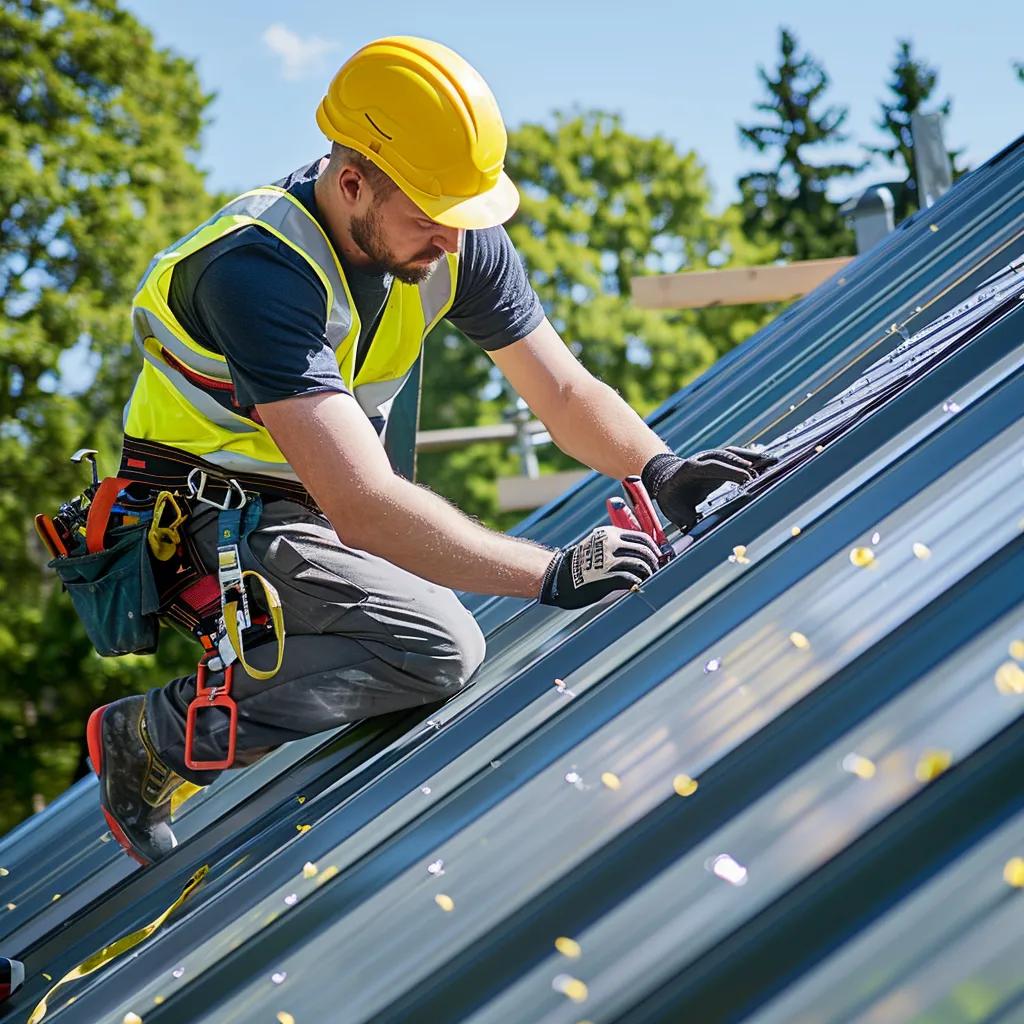
Metal roof installation involves precise measurement, underlayment placement, panel alignment, and fastening to create a watertight barrier. Professional installers bring expertise, safety practices, and manufacturer certifications that ensure warranty compliance and peak performance.
Professional installers hold manufacturer certifications, carry insurance, and apply specialized tools for safe handling of heavy panels. Their training ensures correct panel alignment, fastener torque, and flashing details that protect warranties and prolong roof life.
High-quality synthetic underlayment offers tear resistance, UV stability, and slip-resistant surfaces. In cold climates, self-adhering ice-water barriers prevent under-roof water intrusion. Both options support metal panels by providing a secondary waterproof layer.
Exposed-fastener systems use visible screws and washers through panel ribs, simplifying installation and reducing cost. Hidden-fastener standing seam panels conceal clips beneath raised seams, eliminating penetrations on panel surfaces for enhanced leak resistance and sleek aesthetics.
Routine maintenance preserves the protective coatings and fasteners that underpin metal roof durability. Simple cleaning, inspection, and repair steps support decades of trouble-free performance.
Inspect roofs twice yearly for loose fasteners, damaged panels, and degraded sealants. Clean debris from valleys and gutters to prevent standing water. Gentle washes with mild detergent and soft brushes remove dirt without harming coatings.
Address scratches, exposed fastener heads, or minor dents promptly. Touch-up paint kits seal exposed metal, and replacement panels restore integrity after severe damage. Engaging certified installers for repairs upholds warranty terms and maintains roof performance.
Maintaining a metal roof involves regular inspections and cleaning to ensure its longevity. Homeowners should check for loose fasteners, damaged panels, and debris accumulation in gutters and valleys at least twice a year. Cleaning with mild detergent and soft brushes helps preserve the protective coatings. Additionally, reapplying sealants around flashings every 5–7 years and tightening any loose screws can prevent leaks and extend the roof’s lifespan.
Yes, metal roofs can often be installed over existing roofing materials, which can save on removal costs and labor. However, this practice depends on local building codes and the condition of the underlying roof. It’s essential to ensure that the existing roof is structurally sound and that the new metal roof is compatible with the old material to avoid issues like moisture retention or inadequate ventilation.
Metal roofing is an eco-friendly choice due to its high recycled content, often ranging from 25% to 95%. Additionally, metal roofs are fully recyclable at the end of their life cycle, reducing landfill waste. Their reflective surfaces also contribute to energy efficiency by lowering cooling costs, which helps decrease a home’s overall carbon footprint. These attributes align with sustainable building practices and green living initiatives.
Choosing the right color for a metal roof involves considering both aesthetic preferences and energy efficiency. Lighter colors reflect more sunlight, which can help keep homes cooler in warmer climates, while darker colors may absorb heat, making them suitable for colder regions. Additionally, homeowners should consider local HOA guidelines and the overall architectural style of their home to ensure the color complements the surrounding environment.
The lifespan of metal roofing materials varies significantly. Steel roofs typically last between 40 to 70 years, while aluminum roofs can last around 50 years. Copper roofs are known for their longevity, often exceeding 70 years, and zinc roofs can also last up to 80 years due to their self-healing properties. Choosing the right material based on climate and maintenance can significantly impact the roof’s overall durability.
In snowy regions, metal roofs are advantageous due to their smooth surfaces, which allow snow to slide off easily, reducing the risk of heavy snow accumulation. However, homeowners should ensure proper installation with adequate pitch to facilitate snow shedding. Additionally, using snow guards can help prevent large snow slides that could damage property or pose safety hazards. It’s essential to consult with professionals familiar with local weather conditions for optimal installation practices.
A standard 1,500 sq ft metal roof costs between $10,500 and $43,500, averaging $7–$29 per square foot. Cost depends on metal type, roof complexity, underlayment choice, and labor rates in your area.
Metal roofing delivers exceptional longevity (40–70 years), superior weather resistance, reduced energy expenses through solar reflectivity, and versatile aesthetics—boosting home value and lowering maintenance demands.
Metal roofs typically last 40–70 years versus 12–25 years for asphalt shingles, thanks to corrosion-resistant coatings, interlocking panels, and durable metal alloys that withstand weather extremes.
Proper insulation and synthetic underlayment create a sound-dampening barrier, making rain noise minimal and comparable to other roofing materials when installed correctly.
Standing seam offers a sleek, leak-resistant solution for modern designs; corrugated panels provide cost-effective durability; metal shingles or tiles replicate traditional looks with enhanced strength. Material choice—steel, aluminum, copper, or zinc—depends on climate and budget.
Metal roofing can reflect up to 70% of solar heat, reducing cooling costs by 10–25%. Compared to asphalt shingles that absorb heat, metal panels maintain lower attic temperatures and improve indoor comfort.
Metal roofing combines unmatched durability, energy efficiency, and style flexibility to deliver long-term value for homeowners. Perfect Steel Solutions supports every step, from choosing the right system to professional installation and ongoing maintenance. By understanding types, costs, benefits, and care requirements, homeowners can make informed decisions that enhance property value and comfort for decades.
Ready to explore metal roofing options? Learn more about metal roof cost and installation services from Perfect Steel Solutions.
Metal roofing combines unmatched durability, energy efficiency, and style flexibility to deliver long-term value for homeowners. Perfect Steel Solutions supports every step, from choosing the right system to professional installation and ongoing maintenance. By understanding types, costs, benefits, and care requirements, homeowners can make informed decisions that enhance property value and comfort for decades. Ready to explore metal roofing options? Learn more about metal roof cost and installation services from Perfect Steel Solutions.
