


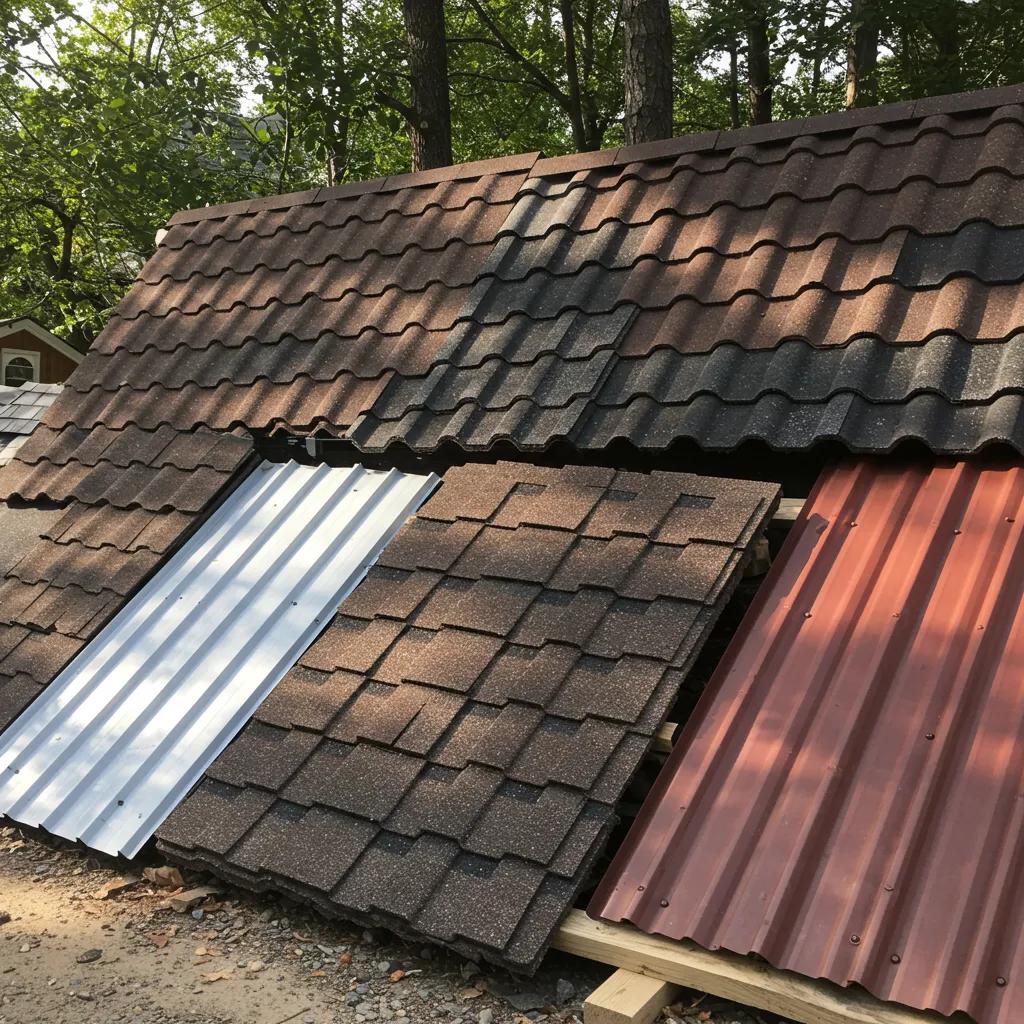
Affordable roofing doesn’t mean compromising protection or longevity—discount roofing combines cost-effective materials, savvy installation strategies, and targeted promotions to deliver durable coverage under budget constraints. This guide explores the most affordable roofing materials, real-world replacement costs, reliable service options, seasonal promotions, DIY considerations, and long-term performance factors. You’ll learn:
By mapping each aspect of discount roofing, this article unifies practical tips and material science to help homeowners secure quality coverage without overspending.
Affordable roofing materials deliver reliable weather protection while minimizing upfront expense through accessible manufacturing and straightforward installation methods.
Asphalt shingles provide a proven balance of affordability, ease of installation, and moderate lifespan, making them the go-to choice for budget roofing.
These options reduce labor time through standardized dimensions and straightforward nail patterns, paving the way to the next cost comparison of metal panels.
Metal roofing panels deliver higher initial costs but significantly extended service life, translating into long-term savings through reduced replacement frequency.
Metal roofing’s durable coatings and interlocking panels resist corrosion and wind uplift, promoting decades of protection and leading into how rolled roofing stacks up for very low budgets.
Rolled roofing consists of continuous asphalt-saturated sheets that streamline installation and minimize material waste, offering a cost-per-square-foot advantage for low-slope applications.
This membrane style requires minimal flashing work and specialized tools, making it ideal for sheds, garages, and short-term budgets before examining synthetic shingle alternatives.
Synthetic and composite shingles mimic slate or wood at a lower cost by using rubber, plastic, or polymer blends to deliver enhanced durability, color retention, and impact resistance.
These materials resist cracking and algae growth better than asphalt, improving aesthetic longevity and setting the stage for evaluating replacement cost considerations.

A cheap roof replacement typically ranges from $3.50 to $16.00 per square foot, with final figures influenced by material choice, labor rates, and roof complexity.
Several variables determine overall replacement expense, from labor to disposal fees and permit requirements:
Understanding these cost drivers frames how upfront expense compares to long-term asset value.
Balancing initial outlay against lifespan is crucial: materials with higher durability often yield lower lifecycle cost despite elevated upfront pricing.
New Study Confirms Energy-Efficient Replacement Roofs Save Energy and Reduce Costs and Carbon Emissions
An independent study by ICF International, commissioned by the Polyisocyanurate Insulation Manufacturers Association (PIMA), demonstrated that installing code-compliant levels of roof insulation during a roof replacement can lead to substantial energy and carbon emission reductions. The study found that such replacements are life-cycle economical and can result in annual whole-building energy savings ranging from 3% to 12%, depending on the climate zone and building type.
This study provides verifiable evidence for the article’s discussion on the long-term value of investing in durable and energy-efficient roofing options, highlighting the cost savings and environmental benefits of proper roof insulation during replacement.
Homeowners budgeting for an economical replacement can anticipate the following combined material and labor ranges:
These figures guide realistic budget planning and lead naturally to sourcing reliable contractors.
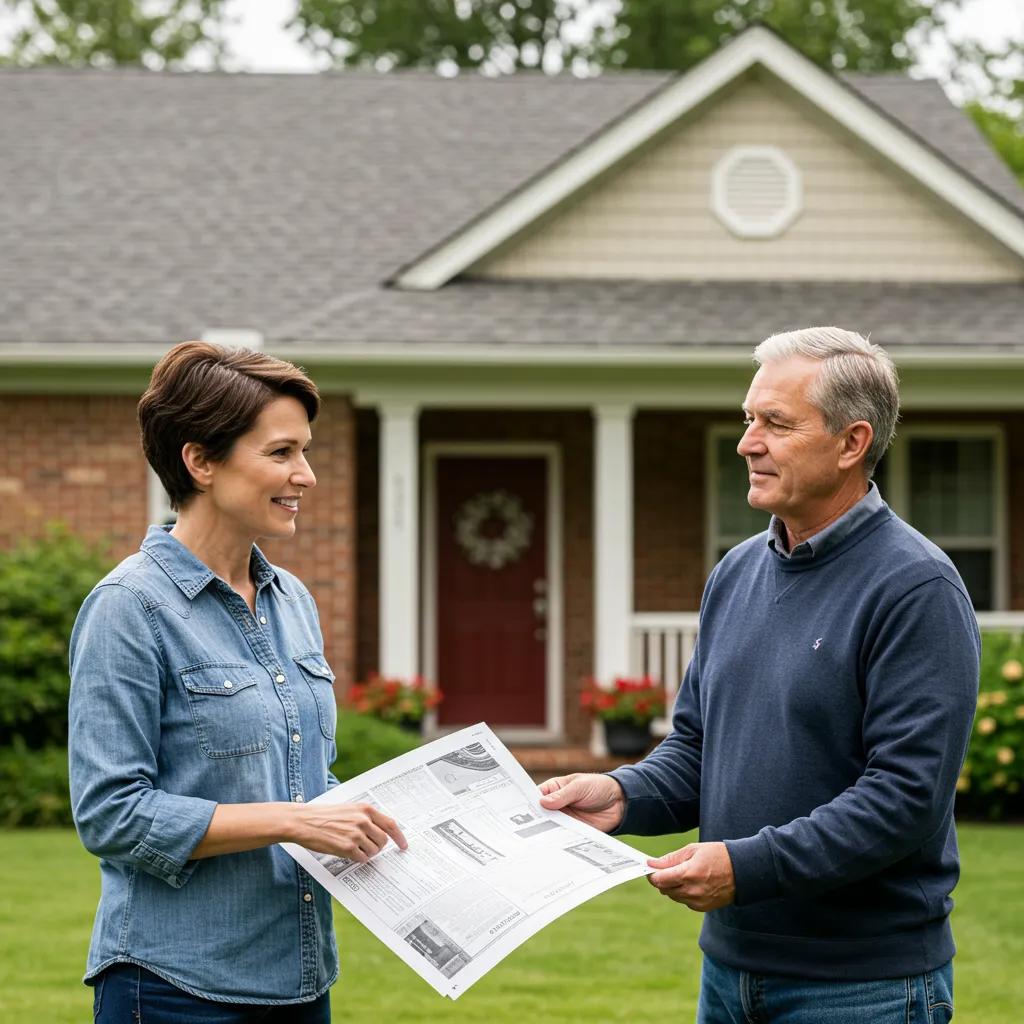
Securing reputable discount roofing services involves vetting credentials, checking references, and aligning local factors to pricing and material availability.
Selecting a contractor who balances cost and craftsmanship requires attention to:
Evaluating these criteria reduces risk and prepares for recognizing red flags in discount roofing offers.
Awareness of common scam tactics empowers homeowners to safeguard investment:
Spotting these warning signs preserves budget and quality, pointing toward local cost drivers.
Regional climate, supplier networks, and building codes shape both cost and accessible materials:
Understanding these influences lets homeowners align expectations and budget accordingly before exploring discounts and promotions.
Roofing companies frequently offer targeted promotions, volume deals, and seasonal incentives to lower homeowner expense.
Effective negotiation tactics enable savings without sacrificing quality:
These approaches maximize leverage and transition naturally into timing-based promotions.
Timing installation around slower seasons can unlock substantial savings:
Aligning project timing with these windows ensures optimal cost reductions before considering financing options.
Homeowners can spread expense through financing plans and leverage insurance for eligible repairs:
Accessing these mechanisms smooths cash-flow demands and leads into safe DIY considerations.
DIY discount roofing can reduce labor costs for minor repairs and maintenance but requires realistic skill assessment and attention to safety.
Homeowners with basic tools and a safe working surface can tackle small-scale tasks:
Completing these repairs can cut labor fees and flows into deciding when to call in professionals.
Complex repairs or full replacements require contractor expertise to ensure safety and code compliance:
Recognizing these thresholds maintains work quality and safety before weighing DIY trade-offs on lifespan.
DIY interventions cut immediate labor fees but carry potential longevity trade-offs if workmanship is uneven.
Balancing these factors leads seamlessly into evaluating long-term material performance.
Understanding how discount materials hold up over decades informs replacement cycles and maintenance plans.
Asphalt shingles resist UV degradation and weather exposure moderately but require more frequent replacement cycles than higher-end options:
Assessing these performance curves sets up examination of energy efficiency benefits.
Certain discount roofing materials can reduce cooling costs by reflecting sunlight and resisting heat transfer:
Can a Roof’s Material Cool the Outside Air and Lower Energy Demand? An Argonne Study Says It Can.
A study by the U.S. Department of Energy’s Argonne National Laboratory found that certain roofing materials can significantly reduce both outdoor temperatures and indoor cooling energy demand. Cool roofs, specifically, were shown to decrease air conditioning energy consumption by 16.6% and lower near-surface temperatures by 1.5 degrees Celsius in a simulated urban environment. Green roofs and solar panel roofs also demonstrated energy-saving benefits.
This research directly supports the article’s claims regarding the energy efficiency advantages of cool-coated asphalt shingles and light-colored metal panels by providing specific data on energy reduction and temperature moderation.
Energy-saving properties contribute to lifecycle value and transition into maintenance best practices.
Regular upkeep extends performance and prevents premature failures:
Consistent maintenance safeguards budget roofing investments and naturally leads to consumer question handling.
Homeowners often wonder about cost comparisons, quality trade-offs, and expected savings when considering discount roofing.
The most economical roofing options are 3-tab asphalt shingles and single-ply rolled roofing, both offering low per-square-foot costs with straightforward installation processes.
Securing a budget roof with solid performance involves comparing multiple detailed estimates, choosing durable mid-range materials like architectural shingles, and negotiating bundled services or volume discounts.
Discount materials may exhibit shorter lifespans, limited color selections, and increased maintenance frequency compared to premium options, requiring careful upkeep to maintain protection.
Homeowners can save 10–30% on total project costs by selecting budget materials, bundling services, leveraging seasonal promotions, and performing minor DIY maintenance tasks to reduce labor fees.
A thoughtfully chosen discount roofing strategy combines materials science, cost analysis, and tactical promotions to deliver durable weather protection within strict budgets. By weighing upfront expenses against lifespan, negotiating effectively, and maintaining regular upkeep, homeowners can achieve reliable coverage without overspending. Understanding local market factors and scam-avoidance tactics further ensures quality outcomes. Embracing these affordable solutions builds peace of mind and lasting value for every budget-conscious household.
