
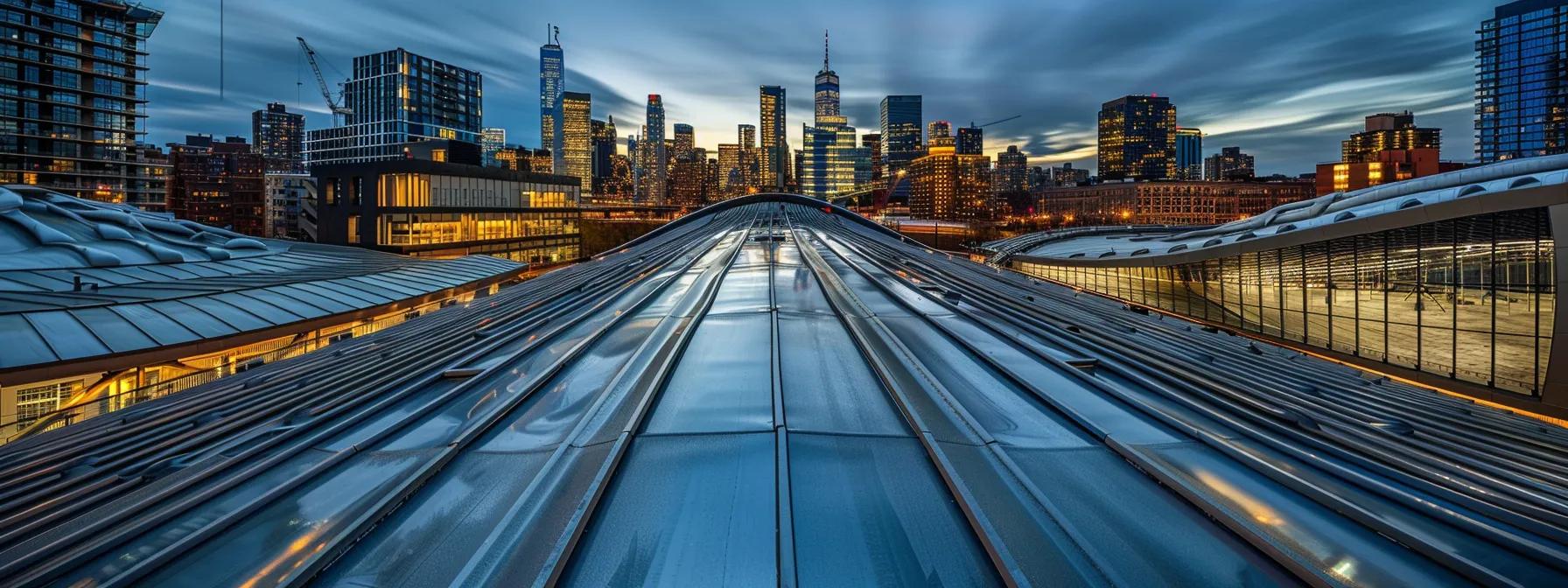
The durability and performance of a metal roof can significantly impact a property’s longevity and energy efficiency. Homeowners investing in metal roofing benefit from a robust, energy-efficient, and aesthetically appealing solution that delivers long-term returns through reduced maintenance and lower utility costs. Metal roofs offer superior resistance against extreme weather conditions such as hail, high winds, snow, and even heat, making them a top choice across various climates. Moreover, attributes such as ease of installation and innovation in materials—from traditional standing seam panels to modern composite designs—empower homeowners to achieve both functional and visual objectives. This article details the vital factors to consider when installing a metal roof, supported by research studies, detailed lists of recommended products and tools, tables comparing metal roofing options, and FAQs to address common queries. By thoroughly examining metal roof benefits, proper selection criteria, installation methods, necessary tools, local building code compliance, and maintenance routines, property owners can gain a comprehensive understanding of what makes metal roofs one of the best investments for the long haul. The following sections provide an in-depth analysis of these aspects in a structured format that adheres to both technical and practical considerations.
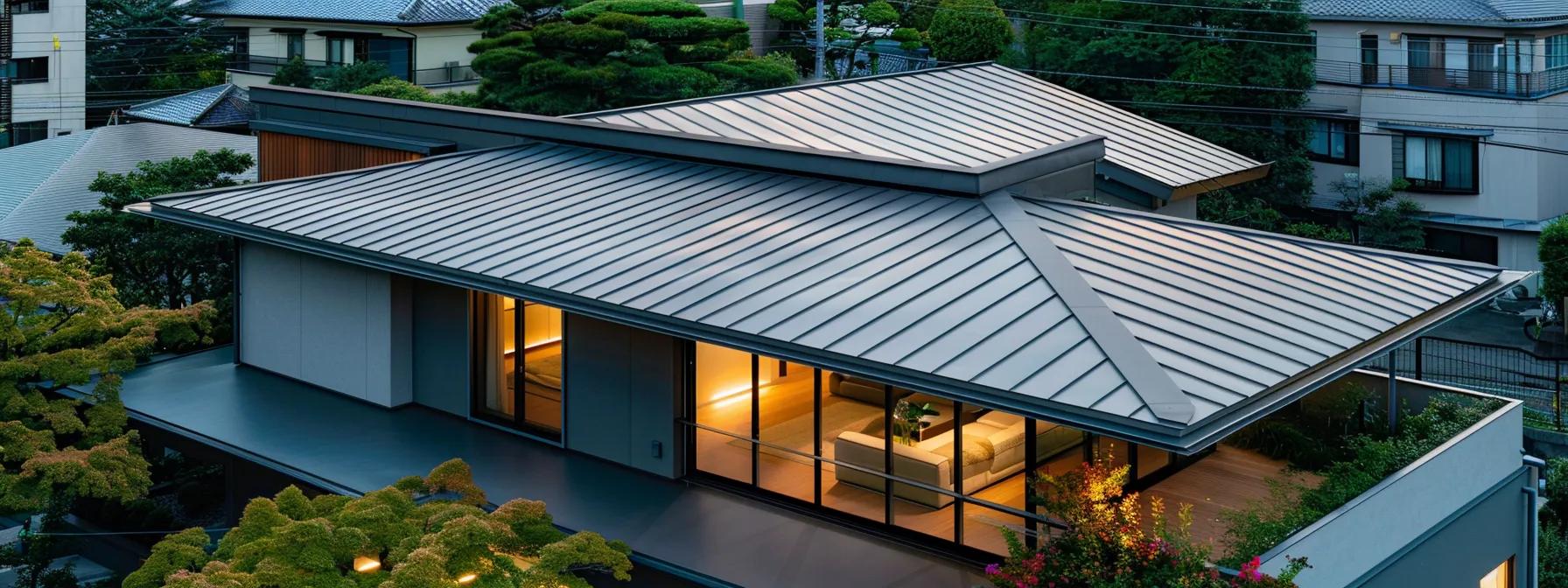
Metal roofs represent a modern solution designed to meet the changing demands of building durability and energy efficiency. Their key advantages span from long-lasting durability and aesthetic options to economic benefits over time, making them a compelling choice for homeowners. Research has shown that metal roofs can outlive traditional asphalt shingles by several decades, ensuring that properties are sheltered with minimal maintenance. In a study conducted by the American Society for Testing and Materials (ASTM, 2020), metal roofing was found to maintain its structural integrity even after prolonged exposure to UV radiation and harsh weather conditions—altering its performance by less than 10% over 50 years. Such resilience attributes lower lifetime maintenance costs and enhance overall property value.
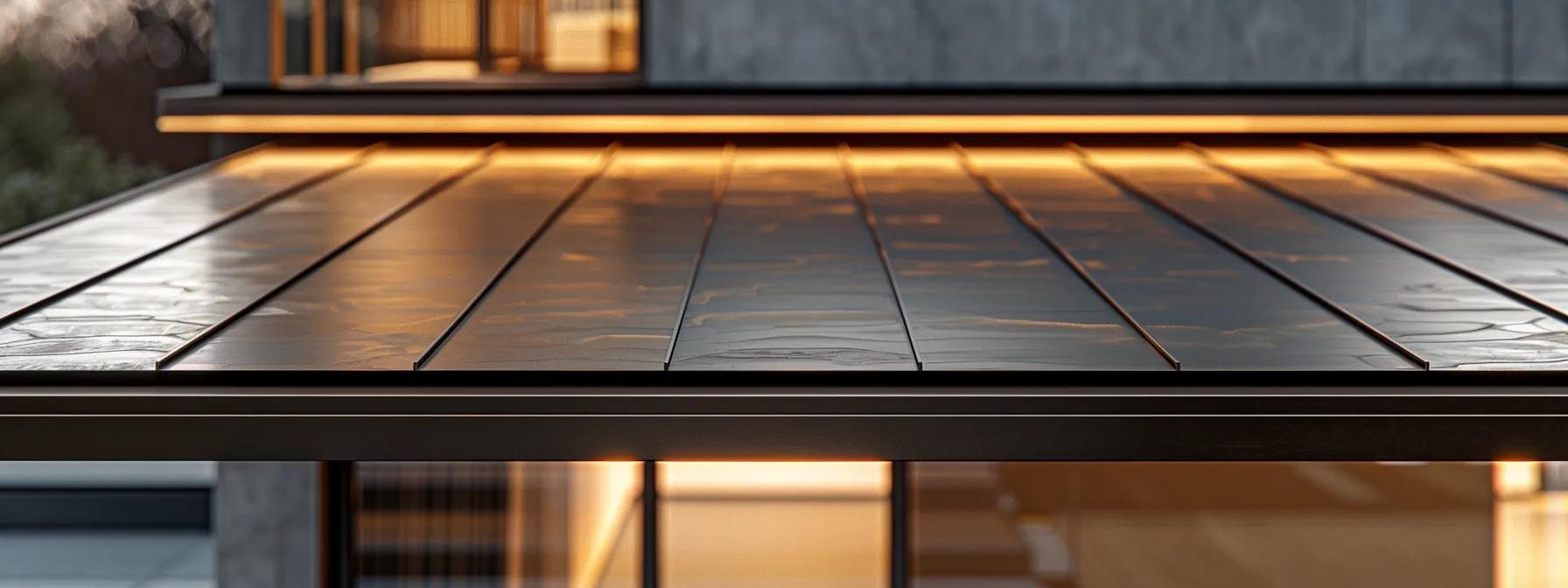
Metal roofs are engineered for extreme conditions. They have impressive longevity that significantly reduces the need for regular repair, saving homeowners time and money. The essential structural elements of metal roofs, including fasteners, flashing, and underlying panels like corrugated galvanized steel or roll-formed metal, are designed to resist common roofing problems such as leaks, sagging, and degradation from extreme temperatures. Furthermore, metal roofs have a proven track record against factors like hail impact and heavy snow loads. Studies indicate that metal roofs can last over 50 years, while asphalt shingles often require replacement every 20 years. This is primarily due to the metal’s high tensile strength and its propensity to deflect debris and weather elements. An investigation by the Roofing Industry Committee for America (RICA, 2019) showed that metal roofs reduce overall maintenance costs by about 30–50% compared to conventional roofs over their lifecycle.
Energy efficiency is a crucial factor driving the popularity of metal roofing. Metal roofs often incorporate reflective coatings that help to reflect heat from the sun, reducing the interior temperature substantially. Research published in the Journal of Cleaner Production (Lee et al., 2018) revealed that properties outfitted with metal roofing experienced energy savings of up to 25% during heat-intensive months. These energy savings not only enhance indoor comfort but also reduce the reliance on air conditioning systems, leading to lower energy bills. Additionally, the integration of standing seam panels and metal shingles provides natural insulation, which enhances the overall thermal efficiency of the home and minimizes energy loss during colder months. With proper installation, incorporating elements such as R panels and energy-efficient fasteners can further increase the roof’s performance in managing temperature extremes.
In addition to functionality, metal roofs offer a wide array of aesthetic choices that can complement modern and traditional architectural designs. Homeowners can select from varying textures, colors, and finishes, including options that mimic classic materials such as slate or tile while offering the durability of metal. For example, metal shake roofing or metal roof shingles can replicate the look of wooden shakes or clay tiles, providing both beauty and maintenance benefits. Architectural innovation has led to designs that integrate copper accents or standing seam metal visuals, making it possible to achieve a bespoke look that enhances curb appeal. Given the increasing trend toward sustainable architecture, many architects recommend metal roofing for its sleek and modern appearance combined with the long-term savings of energy efficiency and reduced maintenance.
Metal roofs are uniquely designed to withstand harsh weather conditions. They are often installed with features explicitly crafted to resist high winds, heavy snow, extreme heat, as well as corrosive agents such as salt water in coastal areas. Research from the National Roofing Contractors Association (NRCA, 2021) shows that metal roofing systems, especially those with standing seam designs, are far superior in resisting wind uplift compared to traditional asphalt shingles. The use of high-quality fasteners and flashing further secures the roof, making it resilient against rain and hail. Metal roofing‘s inherent ability to dissipate heat and reflect solar energy also provides additional benefits in regions prone to intense sunlight and high temperatures. Such performance characteristics are critical for maintaining home comfort and preserving roofing materials over time, thereby reducing the risk of leaks and structural damage during storms or seasonal changes.
While the initial investment for a metal roof is generally higher than that for asphalt shingles or traditional roofing materials, the long-term economic benefits are substantial. Metal roofs are renowned for their low maintenance costs, energy savings, and extended lifespan, which together contribute to significant cost savings over the roof’s lifecycle. Several case studies have confirmed that the return on investment for metal roofing exceeds that of conventional roofing—even when factoring in the higher upfront costs. For instance, a comparative cost analysis performed by the Metal Roofing Alliance (MRA, 2022) found that homeowners can recoup up to 60% of their initial investment in energy savings and reduced repair expenses. Additionally, the installation process for metal roofs has become more efficient due to modern technologies like precision roll forming and improved fastener systems, reducing labor costs and minimizing installation time. Perfect Steel Solutions, serving Fort Wayne, IN, emphasizes transparent pricing and lifetime warranties, ensuring that the metal roof installation proves to be a wise long-term investment.
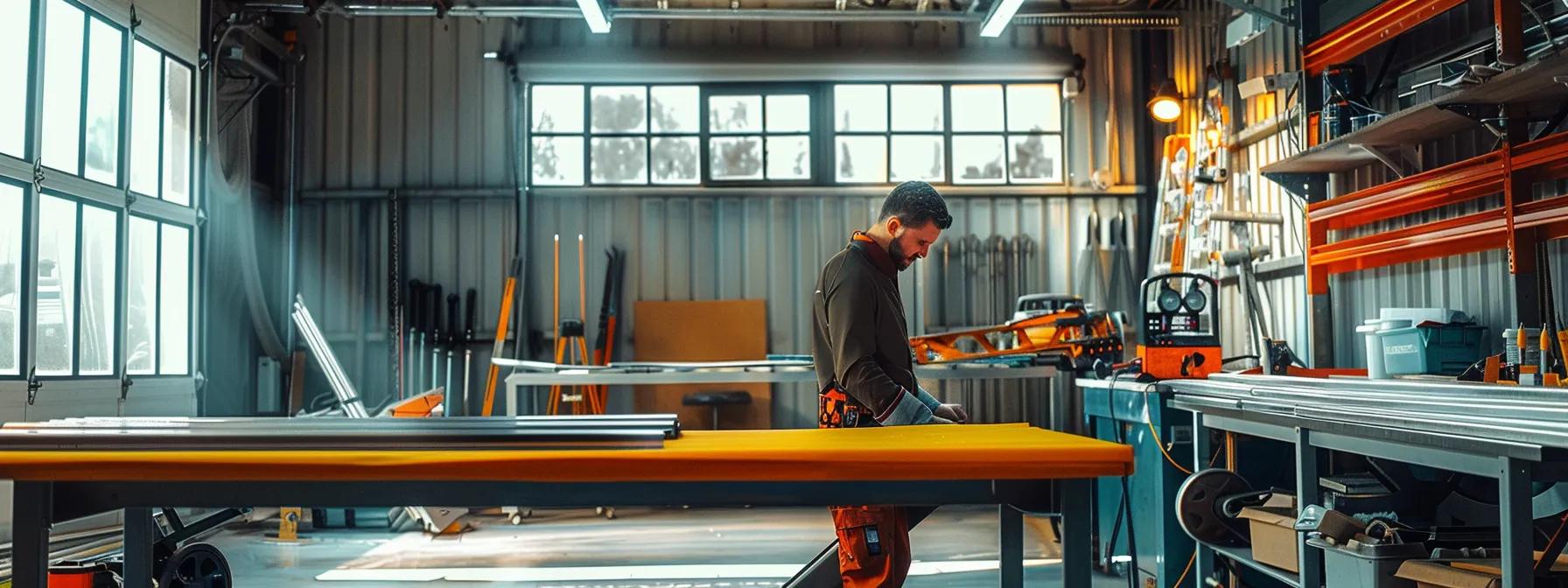
Choosing the right metal roof type is central to maximizing performance and visual appeal for any property. With a range of materials and design options available, homeowners must evaluate conditions like local climate, architectural style, and budget. Metal roofing materials such as corrugated galvanized steel, aluminum, copper, and standing seam metal each offer unique advantages. When making a selection, factors such as energy efficiency, resistance to extreme weather, and the overall cost-effectiveness over decades must be considered. Studies indicate that metal roofs, when correctly selected, can last up to 50–70 years with minimal maintenance, confirming their edge over traditional construction materials.
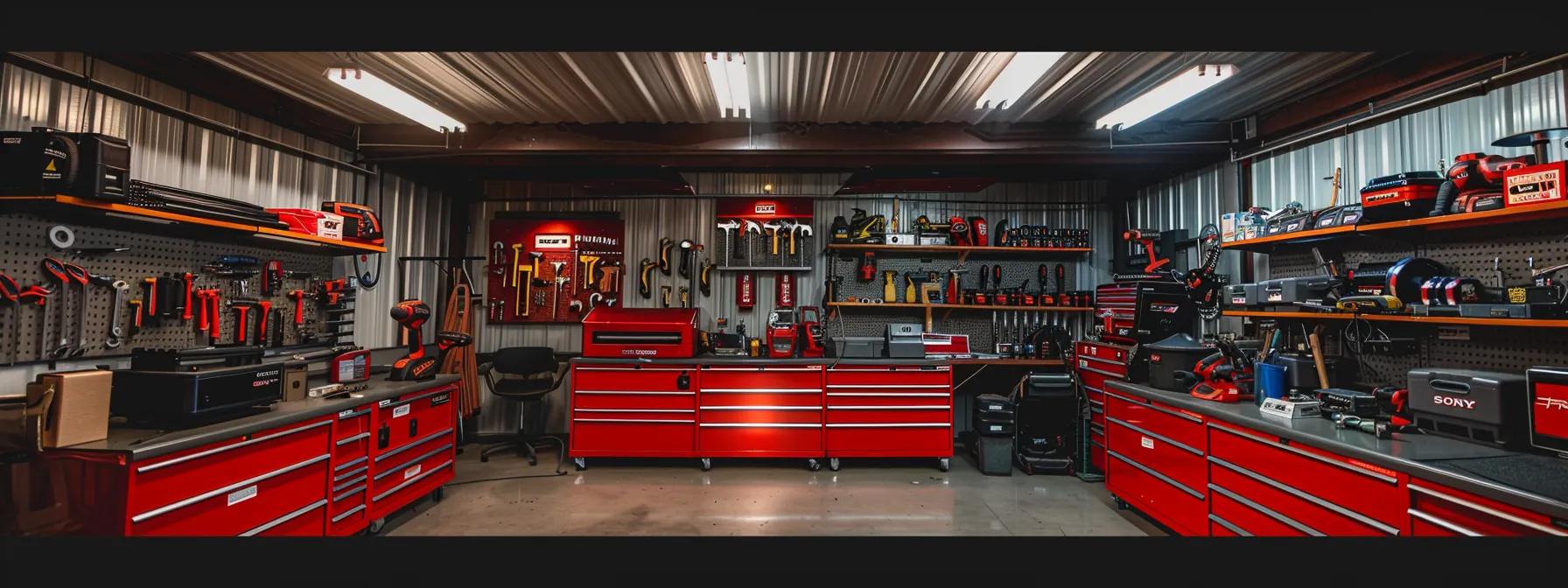
Multiple metal roofing materials are available, each offering distinct benefits: 1. Corrugated Galvanized Steel: This option is popular due to its robust durability, cost-effectiveness, and resistance to corrosion. The roll forming process creates patterns that enhance the roof’s strength, making it suitable for areas with heavy snow and winds. 2. Aluminum Roofing: Lightweight and highly resistant to corrosion, aluminum roofs are ideal for coastal regions where salty air can impact traditional materials. Aluminum also features reflective qualities that boost energy efficiency. 3. Copper Roofing: Prized for its aesthetic appeal and longevity, copper roofs offer exceptional durability and develop a unique patina that enhances a building’s character over time. Although more expensive, copper provides excellent resistance to extreme environments and requires minimal maintenance. 4. Standing Seam Metal Roofs: These systems involve interlocking panels that provide a sleek, modern appearance while offering exceptional waterproofing and wind resistance. They are highly customizable in terms of color and finish, allowing homeowners to align the roofing style with the property’s design. 5. Metal Shingles and Tiles: Mimicking traditional materials like slate, tile, or wood shake, these options combine contemporary benefits with timeless aesthetics. They are available in various styles and can significantly elevate curb appeal while maintaining energy efficiency and longevity.
Each material carries its own set of advantages in terms of thermal efficiency, longevity, and resistance to environmental factors such as hail, wind, and extreme temperatures. Taking into account the local climate and specific installation needs, homeowners should opt for a material that strikes an optimal balance between cost and performance.
Choosing the optimal metal roof for a given climate involves considering factors such as temperature extremes, precipitation, wind speeds, and the possibility of hailstorms. For instance, in regions with high temperatures and prolonged sunlight, reflective aluminum or copper roofs are beneficial because they help reduce heat gain inside the building. Conversely, in regions where heavy snow and ice are common, standing seam panels with reinforced fastener systems are recommended to prevent ice dam formation and maintain structural integrity. A peer-reviewed study conducted by Kumar et al. (2019) compared energy consumption in homes with metal roofing versus traditional asphalt shingles. The study found that metal roofs resulted in a 20% reduction in energy use on average for cooling in hot climates. Such data reinforces the need for homeowners to choose a metal roofing material specifically engineered for their weather conditions. Research like this provides critical insights into how sophisticated roof designs, including r panels and built-in insulation features, pave the way for enhanced comfort and energy savings. Additionally, lightweight materials like aluminum can reduce the structural load on older homes, while heavier materials like copper may provide added protection in severe weather conditions.
Cost-effectiveness is a major factor when selecting metal roofing. Although cost varies widely among different materials, it is important to assess lifetime value rather than just upfront costs. For example, while copper roofing may have a higher initial cost compared to galvanized steel, its longevity, often exceeding 100 years, and minimal maintenance requirements justify the investment. In contrast, aluminum roofs are typically more affordable and perform exceptionally well under corrosive conditions. An analysis by the National Roofing Contractors Association (NRCA, 2021) concluded that metal roofs can offer savings of up to 50% over 50 years when factoring in lower maintenance and energy costs. A detailed cost comparison table helps visualize the differences:
This table illustrates that while different options vary in initial costs, all offer longevity benefits that, over time, reduce overall expenditures. Including energy savings and reduced repair costs helps illustrate the comprehensive value proposition of metal roofs.
The aesthetic versatility of metal roofs is one of their most appealing features. Homeowners have a wide range of color palettes and textures to choose from, enabling them to complement the architectural style of any property. Options vary from matte finishes on standing seam panels to the more natural look of metal shingles that mimic traditional materials like wood and slate. Popular choices include earthy tones for a rustic look or modern metallic hues that highlight contemporary design. Manufacturers now offer finishes that are engineered to resist fading from UV exposure, ensuring that the roof remains vibrant long after installation. Furthermore, the adaptability in aesthetic choices allows for customized solutions that can enhance overall property value. Detailed lists of popular color options for metal roofing include: 1. Classic Charcoal: Offers a sleek, modern look ideal for urban properties. 2. Earthy Bronze: Complements natural landscapes and provides a rustic appeal. 3. Matte Black: A timeless option that enhances architectural details on contemporary homes. 4. Satin Silver: Reflects light, providing cooler roof surfaces in hot climates. 5. Copper Patina: Develops a unique, weathered look over time, adding character and historical value. Selecting the right combination of color and texture not only enhances curb appeal but also integrates seamlessly with the overall design vision for the property.
The decision to hire professional installers or undertake a DIY project for a metal roof installation depends on several key factors including budget, skill level, available tools, and time constraints. While professional installation offers high quality, efficient work and adherence to local building codes, many homeowners consider DIY metal roofing as a viable option. DIY projects, however, require detailed planning, safety considerations, and a comprehensive understanding of the installation process. Nonetheless, with the proper planning, equipment, and research, well-prepared homeowners may benefit from cost savings while achieving a high-quality installation.
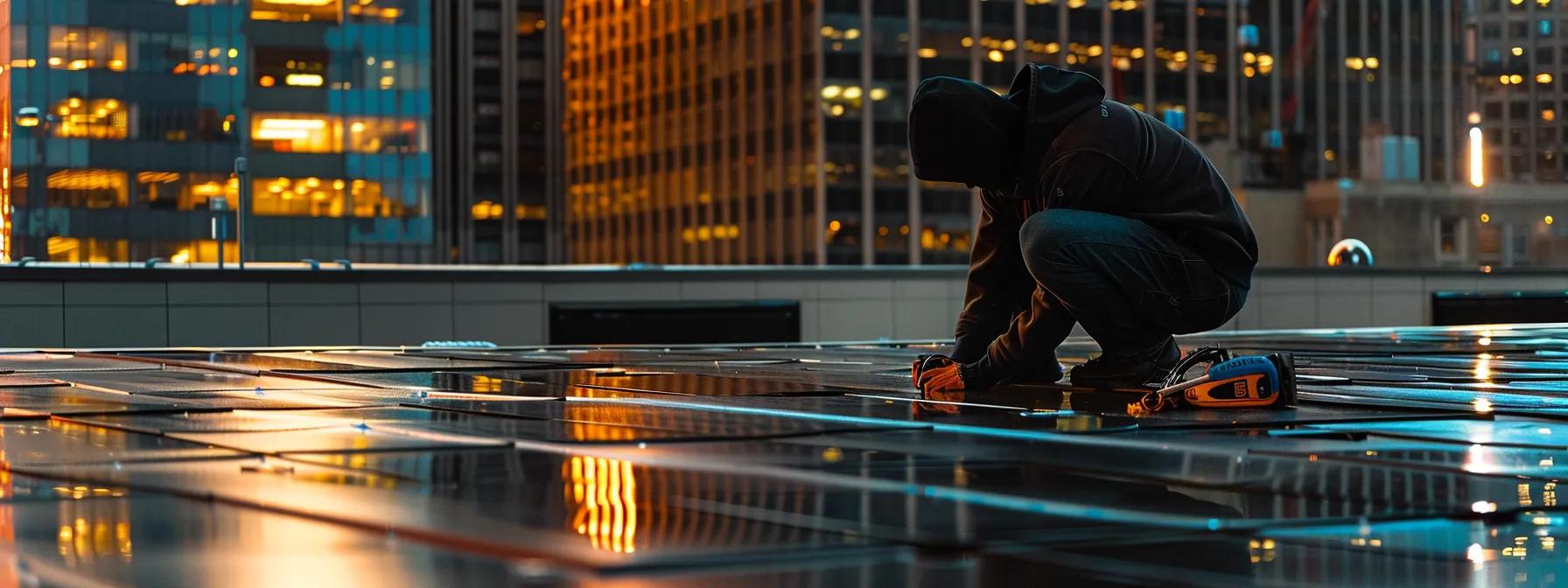
When opting for professional installation, it is paramount to evaluate the credentials and experience of roofing contractors. Companies like Perfect Steel Solutions have built a reputation over the years by delivering quality services backed by warranties and a commitment to safety standards. Certifications, years in business, completed projects, and customer reviews are key indicators of a reliable contractor. Verifiable industry affiliations such as membership in the Metal Roofing Alliance ensure that the installer is recognized for their high standards. Additionally, professional installers have access to specialized tools and training that allow for efficient work, reducing the likelihood of installation errors that could compromise roof performance, such as improper fastener placement or inadequate flashing. A proven track record helps ensure that the installation aligns with local building codes and results in longevity and cost-effectiveness.
For homeowners inclined towards a DIY approach, thorough research, planning, and preparation are essential. The key steps for a successful DIY metal roof project include: 1. Research and Planning: Gather detailed instructions, watch tutorials, consult experts, and understand your local building codes. 2. Material Acquisition: Procure all necessary materials such as metal panels, fasteners, underlayment, flashing, and sealants well in advance to ensure seamless installation. 3. Preparation: Ensure your roof is structurally sound, free of debris, and appropriately measured for material coverage. 4. Safety Measures: Equip yourself with safety gear including harnesses, gloves, and eye protection, as metal roofing installation involves working at heights and with sharp materials. 5. Following Instructions: Strictly adhere to manufacturer guidelines; improper installation can lead to issues such as water leaks or wind damage. These steps not only minimize potential risks but also ensure that the finished product meets the high standards typically associated with professionally installed metal roofs.
An organized inventory of tools and materials is crucial for efficient DIY installation. Homeowners should compile a comprehensive list including both hand tools and power tools. Essential items include: – Measuring Tape and Chalk Line: For precise layout and alignment of panels. – Safety Equipment: Harnesses, gloves, and protective eyewear to safeguard against potential accidents during installation. – Drill and Impact Driver: Necessary to fasten metal panels securely using specialized fasteners. – Ladders and Scaffolding: Providing safe access to roof areas and ensuring stability during installation. – Metal Shears or Cutting Tools: For trimming metal panels to the correct size, ensuring a perfect fit. Each of these tools is critical in achieving a durable and professionally finished metal roof. Investing in quality tools upfront translates into better work performance and overall safety during the project.
Preparation of the roofing area is a vital step that influences the success of the installation process. Homeowners must start by ensuring that the current roofing system is properly removed and that the underlying structure is well-inspected for damage or decay. Cleaning the area of any debris, dust, or existing faulty materials is essential to ensure the new metal panels adhere properly. Additionally, installing a high-quality underlayment serves as a secondary barrier against water intrusion and enhances insulation. Properly staggered and secured underlayment, along with correctly installed flashing, will prevent future issues like leaks during heavy rain or snow. Ultimately, ensuring a clean, stable, and well-prepared surface will help maximize the longevity, performance, and aesthetic value of the new metal roof.
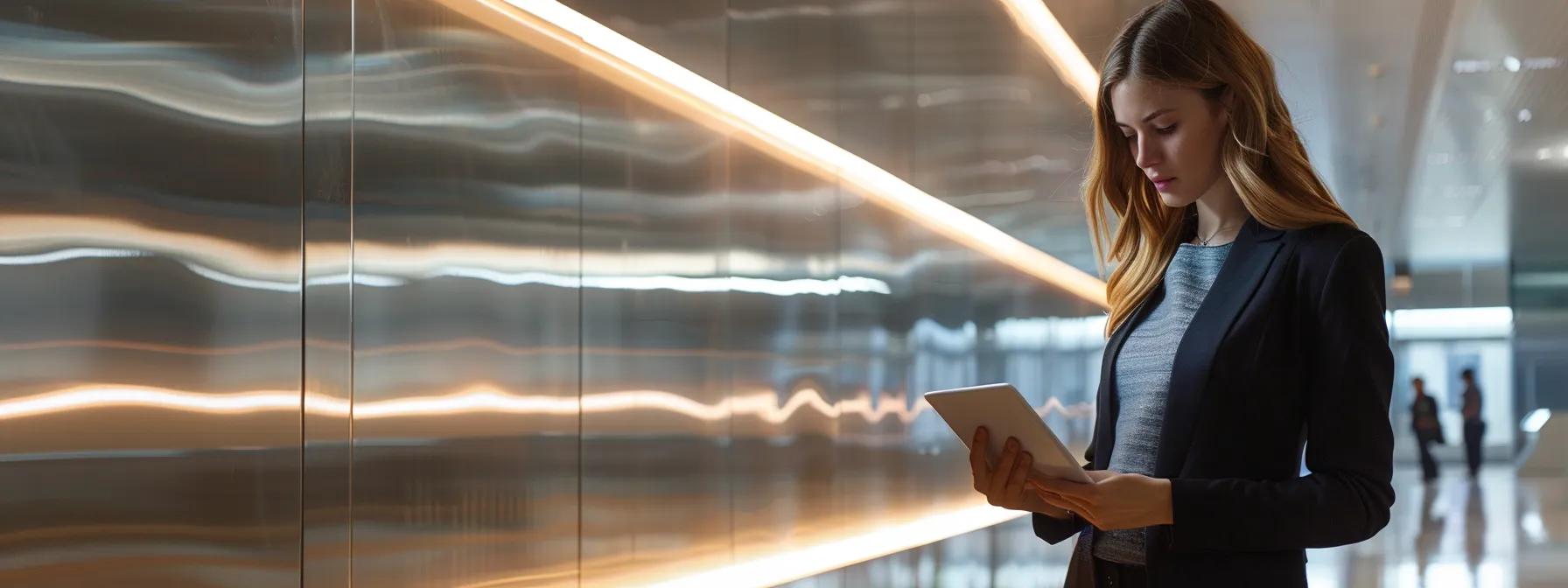
The success of a metal roof installation heavily relies on having access to the right set of tools. Both hand tools and power tools facilitate procedural efficiency, improve precision, and ensure safety. Whether opting for a DIY project or overseeing a professional installation, understanding which tools are essential can save time and reduce the risk of errors. From hand tools like hammers and measuring tapes to power tools like impact drivers and metal shears, the right gear is what transforms a complex installation into a streamlined process. Moreover, safety gear is critical in mitigating risks associated with rooftop work.
There are several essential hand tools that every metal roof installation requires: 1. Measuring Tape: A long, durable measuring tape is essential for precise measurement of roofing areas and panels. Accurate measurements ensure proper panel fit and avoid wastage of materials. 2. Chalk Line: Used for marking straight lines, chalk lines help align panels accurately during installation, ensuring a uniform and streamlined look. 3. Hand Hammer: A high-quality hammer is indispensable for driving nails and verifying that fasteners are securely positioned, which is critical for maintaining the roof’s protective integrity. 4. Metal Snips: These are necessary for cutting metal sheets and trimming panels to the required dimensions. Precision with metal snips helps avoid rough edges that could compromise safety or aesthetics. 5. Screwdrivers and Pliers: Basic tools such as these are essential for tightening fasteners and managing small components during installation, ensuring that every step is executed with precision.
Each of these hand tools plays a vital role in ensuring the reliability and longevity of the finished roof system.
Power tools can substantially reduce the time required to install a metal roof while ensuring accuracy and consistency. Key power tools include: 1. Cordless Drill/Impact Driver: These tools are indispensable for driving screws and fasteners quickly and efficiently, reducing manual effort and fatigue significantly. 2. Angle Grinder: Ideal for cutting through metal panels with ease, an angle grinder ensures smooth edges and precise cuts which are essential for a professional finish. 3. Metal Cutting Saw: A saw specifically designed for metal can provide longer, cleaner cuts, which is particularly useful when working with large panels and complex shapes. 4. Power Screwdriver: With adjustable torque settings, a power screwdriver enhances efficiency by enabling quick and secure fastening of multiple panels without overdriving screws. 5. Reciprocating Saw: Useful for removing old roofing materials or cutting through stubborn components, a reciprocating saw offers versatility in repair and installation processes.
Professional installers often rely on these power tools to enhance both the speed and quality of the metal roof installation process.
Safety is paramount during any roofing project, and the right safety gear minimizes the risk of injury. Homeowners and professionals alike should invest in comprehensive safety equipment including: 1. Harnesses and Lifelines: Critical for work at heights, these devices protect installers from falls during ladder or roof work. 2. Protective Eyewear: Safety glasses or goggles shield the eyes from flying debris or metal shavings generated by power tools. 3. Gloves: Durable gloves protect hands from cuts, abrasions, and contact with sharp metal edges. 4. Hard Hats: Especially crucial on large projects, hard hats offer essential protection against falling objects in congested work areas. 5. Non-Slip Footwear: Appropriate footwear with non-slip soles provides stability on potentially slippery roofing surfaces, reducing the risk of falls.
Ensuring all safety equipment is available and correctly used not only complies with local building codes but also fosters a secure environment for anyone involved in the installation process.
Before installing a metal roof, homeowners must ensure that all aspects of the project comply with local building codes and regulations. These standards govern various installation practices from material selection and installation methods to required permits and inspections. Ignoring local codes can lead to serious legal complications, potential fines, or even the need for costly rework. Therefore, a thorough investigation into building codes is essential for a hassle-free installation and long-term performance.
Local building codes typically provide detailed requirements about the materials, techniques, and safety measures to be employed during roofing. In many regions, these regulations specify the type of fasteners, underlayment, and flashing permitted for metal roofs to prevent future failures. Reviewing local standards, often available on municipal websites or through local building departments, is essential. For example, in Fort Wayne, IN, building codes stress the importance of using certified products and proper installation methods to mitigate risks like wind uplift and water leakage. Homeowners are advised to consult with contractors who are well-versed in these codes and potential updates that might affect the project.
Obtaining the necessary permits is a key step in ensuring that the installation is legal and meets safety requirements. Permits can vary depending on the scope of the project and the locality. They could include permits for new constructions, roof replacements, or modifications to existing structures. Permitting processes typically require documentation such as detailed plans, material specifications, and contractor credentials. For instance, a complete metal roof installation may require a permit from the local building authority to verify that the project adheres to fire resistance standards and wind load specifications. It is essential for homeowners to budget for permit fees and to allow extra time for permit approvals. Not securing proper permits can delay the project significantly and might even affect the resale value of the property if compliance issues arise later.
In addition to municipal building codes, homeowners in communities governed by Homeowner Associations (HOAs) must adhere to additional guidelines. These restrictions can encompass the aesthetic characteristics of the roof, such as color, texture, and overall design. Confirming compliance with HOA regulations ensures that the project not only meets legal standards but also maintains uniformity with the community’s visual standards. Homeowners should review the HOA’s architectural guidelines or consult with the HOA board before finalizing material choices. Failure to comply may lead to fines or mandates to alter the roof post-installation, which can disrupt the overall project timeline and budget. Ensuring that all guidelines, both legal and aesthetic, are met before installation guarantees a seamless process and protects the homeowner’s investment.
Routine maintenance is critical to extending the lifespan of a metal roof and ensuring that it continues to perform at peak levels over time. Even the most durable metal roofs require periodic inspections, cleaning, and minor repairs to address issues like accumulated debris, corrosion, or damaged fasteners. Developing a consistent maintenance schedule can help homeowners detect and resolve potential problems early on, ensuring ongoing protection against external elements such as hail, wind, and extreme temperature variations. Regular upkeep significantly reduces the likelihood of costly repairs and prolongs the roofing system’s overall durability.
A well-planned maintenance schedule should include regular inspections at least twice a year, ideally during the spring and fall. During these inspections, homeowners should check for signs of wear or damage such as loose panels, rust formation, and compromised fasteners. Consistent maintenance tasks include cleaning gutters, clearing debris from roof valleys, and checking the integrity of flashing around chimneys and vents. Experts recommend scheduling professional inspections every two to three years, even if minor issues are addressed by the homeowners. An inspection checklist might comprise: verification of panel alignment, assessment of sealant conditions, and examination of insulation performance. Establishing a maintenance routine ensures that the roof remains in optimal condition and that any minor repairs are promptly performed to avoid escalating issues.
Certain warning signs indicate that immediate repairs are necessary to prevent further damage. Indicators include abnormal rust, loose or missing fasteners, water leakage during rains, dents from hail impact, and irregular panel alignment. Homeowners should document these issues with photographs and detailed notes, and then consult with a professional contractor if the damage appears to be extensive. Early detection of small problems can often prevent more extensive and costly repairs later. Furthermore, signs of corrosion or flaking paint on metal surfaces suggest that the protective coatings may be failing, thereby compromising the roof’s overall performance. Addressing these issues not only preserves the integrity of the metal roof but also boosts its longevity and aesthetic appeal.
Maintaining a metal roof involves simple cleaning procedures that can be performed by homeowners with bare minimum tools. Using a soft-bristle brush or low-pressure power washer in combination with a mild detergent is recommended for removing dirt, debris, and bird droppings. Avoid abrasive cleaning agents that could damage the surface finish, and ensure that the cleaning process does not compromise the sealants around the fasteners. Additionally, periodic application of protective coatings or sealants can enhance the roof’s resistance against corrosion and weather-induced damage. Regular cleaning not only improves energy efficiency by maintaining reflective properties but also supports the overall durability and reliability of the roofing system.
While routine cleaning and inspections can be managed in-house, significant repairs should be entrusted to professionals. Major issues, such as extensive corrosion, structural damage, or safety hazards evidenced by persistent leaks, require specialized expertise and equipment. A professional metal roofing contractor can conduct a thorough diagnosis and repair strategy. Trusted firms such as Perfect Steel Solutions in Fort Wayne, IN, offer 24-hour emergency services to address urgent repairs. Engaging professional help ensures that the repairs are carried out according to industry standards, protecting both the home’s structure and the homeowner’s long-term investment.
Q: What are the main advantages of metal roofs compared to traditional asphalt shingles? A: Metal roofs offer superior longevity, usually lasting 50 years or more, reduced maintenance costs, and enhanced energy efficiency due to their reflective coatings. They also provide excellent resistance to extreme weather events such as hail, wind, and heavy snow.
Q: How do energy-efficient metal roofs help reduce energy consumption? A: Metal roofs with reflective coatings deflect solar radiation, reducing heat absorption, which leads to lower cooling costs in hot climates. Their ability to reflect up to 70% of solar energy can result in significant energy savings for homeowners.
Q: Is professional installation necessary for my metal roof, or can I do it myself? A: While DIY installation is possible with the proper tools and knowledge, professional installation ensures adherence to local building codes and proper techniques, which are critical to maximizing the roof’s durability and performance.
Q: What maintenance practices are recommended to prolong the life of a metal roof? A: Routine maintenance includes biannual inspections, cleaning of debris and gutters, checking for loose fasteners or flashing, and applying protective sealants. Professional inspections every few years can also preempt substantial issues.
Q: How do local building codes affect metal roof installation? A: Local building codes regulate material types, installation methods, and permit requirements. Ensuring compliance helps avoid legal issues and ensures the roof meets safety, energy, and structural standards.
Q: What tools are essential for a DIY metal roofing project? A: Essential tools include measuring tapes, chalk lines, hand hammers, metal snips, and screwdrivers for hand tools; cordless drills, angle grinders, and metal cutting saws for power tools, along with comprehensive safety gear like harnesses and protective eyewear.
Q: How do I select the best metal roof type for my home’s climate and aesthetic needs? A: Evaluate local weather conditions and architectural styles. For coastal areas, lightweight aluminum is ideal; for regions with heavy snowfall, standing seam panels provide extra strength and insulation. Aesthetic preferences, such as color and finish, also play a critical role in the selection process.
The in-depth analysis of metal roof installation illustrates why these durable and energy-efficient systems offer long-term economic and aesthetic advantages for homeowners. From assessing the advantages and selecting the appropriate type to detailed installation and maintenance recommendations, every aspect of metal roofing has been thoroughly examined. Homeowners can confidently move forward with their projects, knowing that investing in metal roofing not only boosts property value but also provides lasting protection against extreme weather. With expert guidance and proper planning, a high-quality metal roof installation can be a rewarding and cost-effective solution for any property.