


Summer heat poses unique challenges for homeowners by accelerating the deterioration of roofing materials, leading to expensive repairs and potential insurance claims. This article examines how high temperatures affect asphalt and metal roofs and explains why proper installation, maintenance, and home insurance are essential. Homeowners will learn about the risks of heat-related wear, such as leaks and water damage, and be guided on how to safeguard their investments with informed decisions on roof replacement, maintenance routines, and selecting materials with enhanced energy efficiency.
High summer temperatures cause asphalt shingles to expand, soften, and degrade. The intense sun and heat fuel oxidation, rendering the material brittle and more prone to cracks, tears, and leaks. This deterioration compromises waterproofing and energy efficiency, often leading to increased insulation costs and interior roof damage .
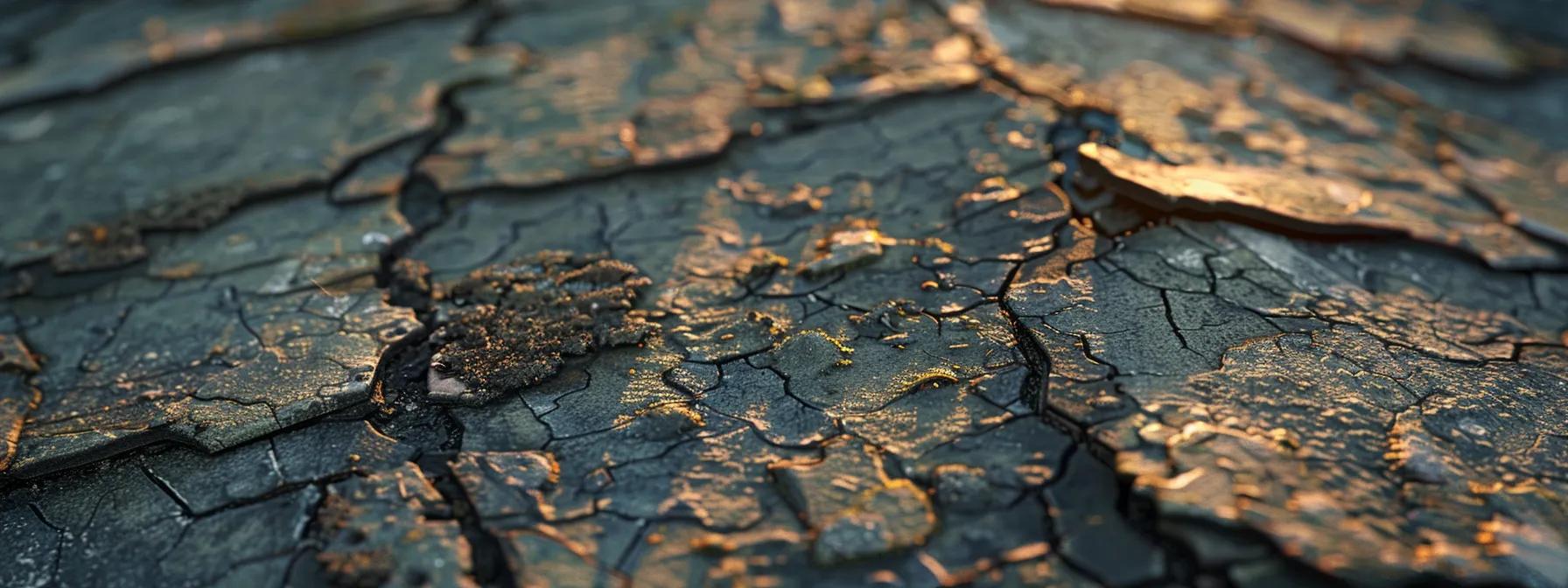
Asphalt shingles react to temperature fluctuations by expanding in the heat and contracting as temperatures drop. This repeated cycle stresses the adhesive bonds, causing shingles to lift or pop along the edges. Prolonged exposure to high temperatures also dislodges protective granules from the shingle surface, exposing the asphalt layer to UV rays and hastening breakdown. Studies note that such conditions can reduce shingle resilience by up to 20% and decrease tensile strength by 15–20%, making the roof more vulnerable to wind, debris, and roof damage.
The main issues with asphalt roofs under extreme heat include: – Granule Loss: Exposes the underlying asphalt to UV rays and moisture. – Shingle Curling: Softened shingles may curl, reducing their ability to shed water. – Early Oxidation: Increased oxidation causes the shingles to become brittle. – Adhesive Failures: Repeated thermal cycling weakens the bonds between layers. – Color Fading: Loss of granules and UV exposure can lead to discoloration.
Timely inspections and maintenance during summer can help detect these issues early, preventing severe structural damage.
Correct installation greatly influences a roof’s ability to withstand heat. Key measures include: – Ensuring proper attic ventilation to allow hot air to escape and lower roof temperature. – Using high-quality underlayment and proper nailing techniques to secure the shingles during expansion and contraction. – Applying reflective roof coatings or using reflective granules helps deflect solar radiation, reducing surface temperatures by as much as 30°F. – Following manufacturer guidelines minimizes shingle uplift and water leakage.
Licensed roof contractors are essential since their expertise in ventilation strategies and heat-resistant materials can reduce immediate and long-term damage, ultimately lowering the risk of costly insurance claims.
Metal roofs are known for durability, yet they are not entirely immune to extreme heat. High temperatures can cause thermal expansion, paint fading, and increased surface temperatures. Although metal roofs generally reflect much of the solar energy, their performance under heat depends on the quality of coatings and insulation used.
Metal roofs have several advantages in hot climates:-Their reflective surfaces deflect solar radiation, often keeping the roof surface up to 25°F cooler than asphalt alternatives.-Constructed from steel, aluminum, or copper, metal roofs have high melting points and low thermal conductivity. This means that, even under intense heat, their structural integrity remains largely intact.-Modern reflective paints and coatings not only protect against UV rays but also improve overall energy efficiency, reducing cooling costs. Roof damage is less likely compared to traditional materials.
Despite their advantages, metal roofs can encounter some challenges: – Thermal expansion and contraction may cause creaking or popping noises. – Prolonged heat can lead to paint degradation, including blistering or fading, if protective coatings wear off. – Accumulated thermal stress may loosen fasteners or affect adjacent components such as flashing and gutters, possibly resulting in misalignments.
Regular inspections and maintenance of joints and fasteners are recommended to ensure that these issues do not compromise the roof’s performance.
Metal roofing outperforms asphalt in solar reflectance. Asphalt typically absorbs more heat due to its dark, porous nature, while metal roofs—especially those with reflective coatings—deflect a high percentage of the sun’s rays. For example, metal roofs usually maintain surface temperatures between 100°F and 120°F on sunny days, compared to over 150°F for asphalt roofs. This lower temperature improves energy efficiency and reduces the building’s cooling load.
Roof insurance is critical because heat-damaged roofs can lead to costly repairs or full replacements. Insurance policies often cover damages like heat-induced leaks, water damage from condensation, and structural failures due to thermal stress. Maintaining proper roof condition and documentation can help ensure successful roof damage claim.

Roof insurance policies generally cover: – Sudden heat-related incidents, such as damage from wildfires or structural failures caused by extreme temperatures. – Damage leading to water leaks or internal moisture issues resulting from the degradation of roofing membranes or adhesive failures. – In many cases, both the cost of roof repair and any subsequent interior damages are covered. However, homeowners should carefully review exclusions and limits in their policies.
To file a claim: – Document the damage with photographs, detailed notes, and professional assessments. – Review policy documents to understand coverage limits and follow specified procedures for claim disputes. – Contact the insurance adjuster promptly and submit complete documentation. Working with experienced roofing contractors familiar with insurance processes can help streamline the claim.
Common exclusions in roof insurance policies may include: – Damage from gradual wear and tear or deterioration due to age. – Issues arising from long-term lack of maintenance rather than an acute heat event. – Exclusions related to poor workmanship or failure to follow building codes and manufacturer guidelines. Understanding these terms can help homeowners avoid claim disputes and secure necessary coverage.
Regular maintenance is crucial to prolonging roof lifespan and reducing repair costs. Establishing a maintenance routine can help ensure that any insurance claims are supported by evidence of care and upkeep.
For asphalt roofs: – Regularly clean the roof to remove debris that can trap heat and moisture. – Inspect for signs of granule loss, shingle curling, or any other early damage. – Ensure sufficient attic ventilation to help lower roof temperatures. – Apply reflective roof coatings if necessary to reduce heat absorption. – Schedule seasonal professional inspections to catch and address any subtle damages early.
Metal roofs require: – Routine inspections for corrosion, loose panels, or damage to protective coatings. – Cleaning of accumulated dirt and pollutants that might reduce the roof’s reflectivity. – Periodic touch-ups or repainting of reflective coatings to maintain optimal performance. – Checking that flashings, gutters, and seams remain securely fastened. – Involving professional maintenance services to ensure all components remain intact and functional.
Homeowners should:-Arrange for at least two professional inspections during the summer—once during the early months when heat increases and once at the end of the season before cooler weather begins.-Schedule an inspection after significant weather events, especially prolonged heat waves, to ensure no hidden damage has developed.-Early detection through professional assessments minimizes long-term repair costs and supports homeowners insurance cover if needed.
Choosing the best roofing material involves balancing cost, energy efficiency, and maintenance needs. Both asphalt and metal roofs have their strengths and drawbacks in hot climates.
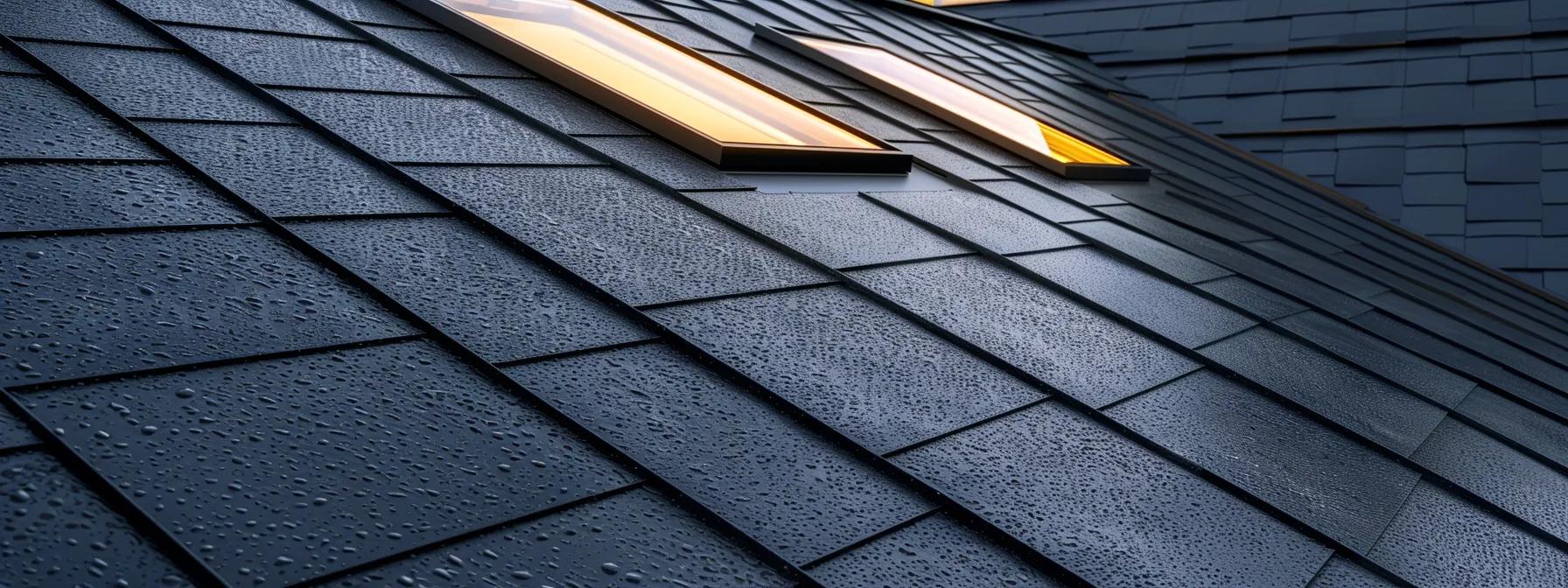
Asphalt shingles are generally less expensive initially, making them attractive to budget-conscious homeowners. However, they tend to require more frequent maintenance and earlier replacement due to heat damage. Metal roofs, despite their higher upfront cost, offer:-Greater durability and a longer lifespan (up to 40–70 years).-Lower maintenance needs.-Potential reductions in cooling costs due to better energy efficiency. Over time, the long-term roof replacement differences can be minimal when energy savings and reduced repair expenses are considered.
An illustrative comparison:
Metal roofs generally offer better energy efficiency because they reflect more solar radiation than asphalt shingles, which absorb more heat. This difference results in lower cooling costs and improved comfort indoors. Energy performance comparisons have shown that metal roofing can save up to 25% on cooling energy compared to asphalt options.
Asphalt roofs typically last 20 to 25 years under normal conditions, with heat significantly shortening their lifespan through accelerated aging. Metal roofs, on the other hand, are engineered to better resist harsh climates, often lasting 40 to 70 years with minimal maintenance. Their durability and resistance to heat-induced degradation often result in fewer replacements and lower overall lifecycle costs.
RoofGuard Solutions provides specialized services aimed at protecting roofs from summer heat damage. Their comprehensive approach ensures that both asphalt and metal roofs are maintained properly, reducing the risk of costly repairs and ensuring that insurance coverage can be effectively utilized.
RoofGuard’s services include: – Detailed roof inspections to detect early signs of damage such as granule loss, shingle curling, or adhesive failures in asphalt roofs. – Protective coatings that enhance reflectivity and reduce UV damage. – Comprehensive assessments of metal roofs focusing on fastener integrity, reflective coatings, and overall structural alignment. – Use of thermal imaging and state-of-the-art diagnostic tools to pinpoint potential issues early. These services are designed to repair current damage and prevent future deterioration, ultimately reducing the need for expensive insurance claims.
RoofGuard offers dedicated assistance during the roof insurance claim process by: – Collaborating directly with insurance adjusters. – Preparing detailed damage reports and thermal images. – Providing clear repair estimates and documentation. This support helps expedite claims processing and ensures that homeowners receive full benefits under their policies.
In addition to practical services, RoofGuard maintains an online resource center that includes: – Informative articles and maintenance checklists. – Video tutorials and webinars on roof care practices. – Guidance on optimizing home insurance coverage for roof repairs. These tools empower homeowners with the knowledge to monitor their roofs and take proactive measures, thereby reducing potential long-term damage.
The roofing industry is evolving with innovations designed to reduce the effects of high temperatures. New materials and technologies are enhancing durability and energy efficiency for both asphalt and metal roofs.
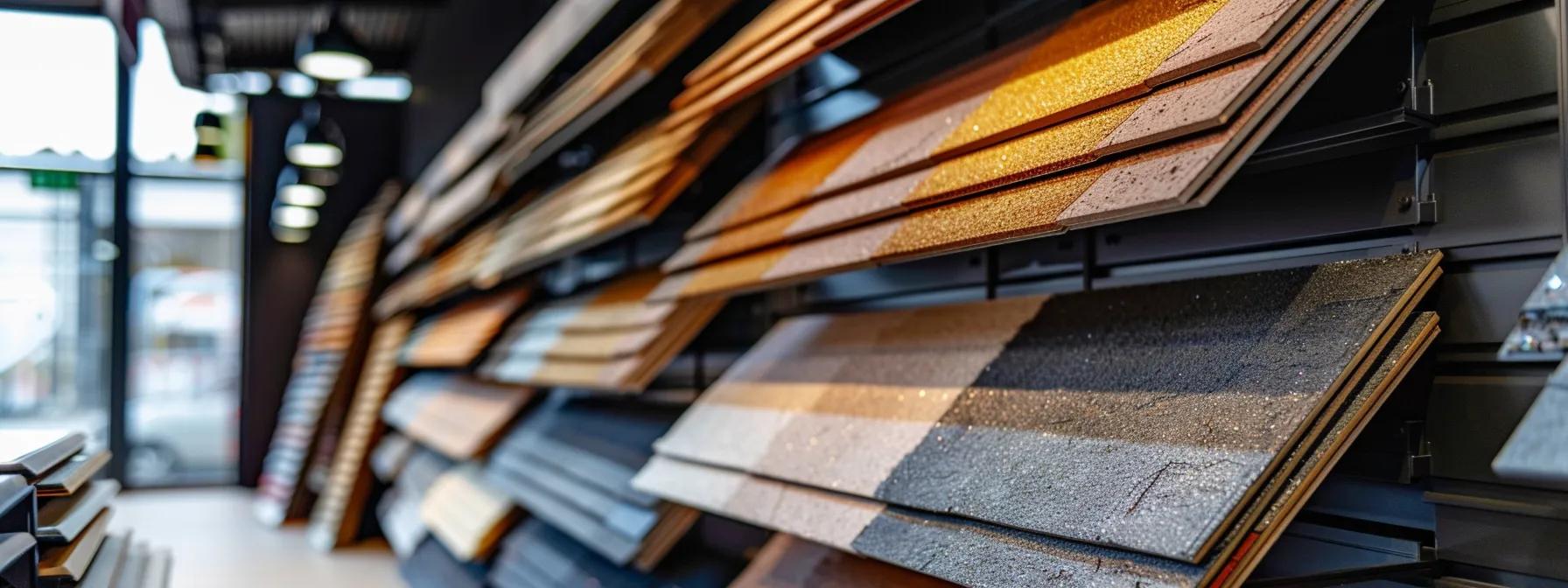
Cool roof technologies involve applying special coatings, reflective granules, and advanced polymers to reduce heat absorption. For asphalt roofs, these coatings help maintain lower surface temperatures, preventing granule loss and oxidative deterioration. For metal roofs, cool coatings enhance their natural reflectivity while minimizing expansion and contraction. Such innovations have been shown to reduce surface temperatures by up to 30°F, leading to significant energy savings in hot climates.
Recent advancements include: – Composite membranes that blend asphalt with polymer modifiers and reflective additives, offering enhanced resistance to UV rays, thermal expansion, and oxidation. – Improved alloy compositions and multi-layered protective coatings for metal roofs, which bolster durability and corrosion resistance. – Self-healing materials designed to automatically repair minor cracks, reducing the frequency of roof replacements and associated insurance claims. These innovations promise longer-lasting and more energy-efficient roofing options.
Upgrading to modern, heat-resistant roofing materials can offer: – Enhanced energy efficiency and reduced cooling bills. – Longer roof lifespan and lower maintenance needs. – Higher property values and potentially lower insurance premiums due to improved durability. Additionally, heat-resistant roofs retain their aesthetic appeal and contribute to environmental sustainability by lowering overall energy consumption. Such upgrades represent a sound long-term investment for homeowners in hot climates.
Before concluding, consider this comparison:
This table underscores that while asphalt offers a lower upfront cost, metal roofs deliver superior energy efficiency and longevity, which are essential factors in managing insurance risks and overall roof reliability.
(This section is reiterated for clarity on insurance and protection services. Refer to the detailed RoofGuard sections above for full guidance.)
Summer heat accelerates the wear of both asphalt and metal roofs, increasing the risk of leaks and structural damage. Effective maintenance, proper installation, and timely professional inspections are crucial to mitigate these risks. RoofGuard Solutions, along with modern roofing innovations such as cool roof technologies and advanced composite materials, offers strategies to protect your roof and reduce home insurance claims. Ultimately, investing in heat-resistant roofs and professional services is essential for long-term home protection and energy savings.
Q: How does high summer heat specifically accelerate roof damage? A: High temperatures cause thermal expansion and contraction in roofing materials, leading to shingle lifting, granule loss, and adhesive failure in asphalt roofs, while in metal roofs, they can result in coating degradation and fastener loosening.
Q: Can reflective coatings really reduce roof temperatures that much? A: Yes. Reflective coatings on both asphalt and metal roofs can lower surface temperatures by approximately 25–30°F, reducing heat absorption and extending roof lifespan. They are an important factor in the overall performance of the roof when considering roof replacement.
Q: What steps can homeowners take to maintain their asphalt roofs during extreme heat? A: Regular cleaning, inspections for granule loss or shingle curling, ensuring proper attic ventilation, and applying reflective coatings are key. Periodic professional inspections also help catch early signs of damage.
Q: How does metal roofing’s performance compare to asphalt in hot climates? A: Metal roofs generally offer superior performance due to their inherent reflective properties, maintaining cooler temperatures, lowering cooling costs, and providing greater longevity despite a higher initial cost.
Q: What is the role of roof insurance in managing heat damage claims? A: Roof insurance covers repair or replacement costs for damage such as leaks and material degradation caused by heat. Understanding your policy details and exclusions is vital to ensure full coverage, especially for roof damage.
Q: Are cool roof technologies a worthwhile upgrade for older roofs? A: Absolutely. Cool roof technologies reduce heat absorption, improve energy efficiency, and protect roofing materials from accelerated aging, yielding long-term savings.
Q: How does RoofGuard Solutions assist homeowners with roof insurance claims? A: RoofGuard provides expert inspections, comprehensive damage reports, and guidance in filing insurance claims, ensuring that all necessary documentation is submitted promptly to secure full insurance benefits.
